KABALANA BEACH: A LOCAL'S GUIDE TO AHANGAMA'S MOST BEAUTIFUL BEACH
If Casa Tikiri exists, it's because of this beach.
When we arrived in Sri Lanka in 2021, we'd just left everything behind in Italy — jobs, routines, the life we knew. The country required two weeks of mandatory quarantine, and we spent ours here, on Kabalana Beach. Two weeks of watching this coastline from morning to night, learning its rhythms, its light, the way the sand changes colour as the sun moves. By the time our quarantine was over, we weren't looking for our place anymore. We'd already found it.
Almost five years later, I still walk down at sunset and fall for it all over again.
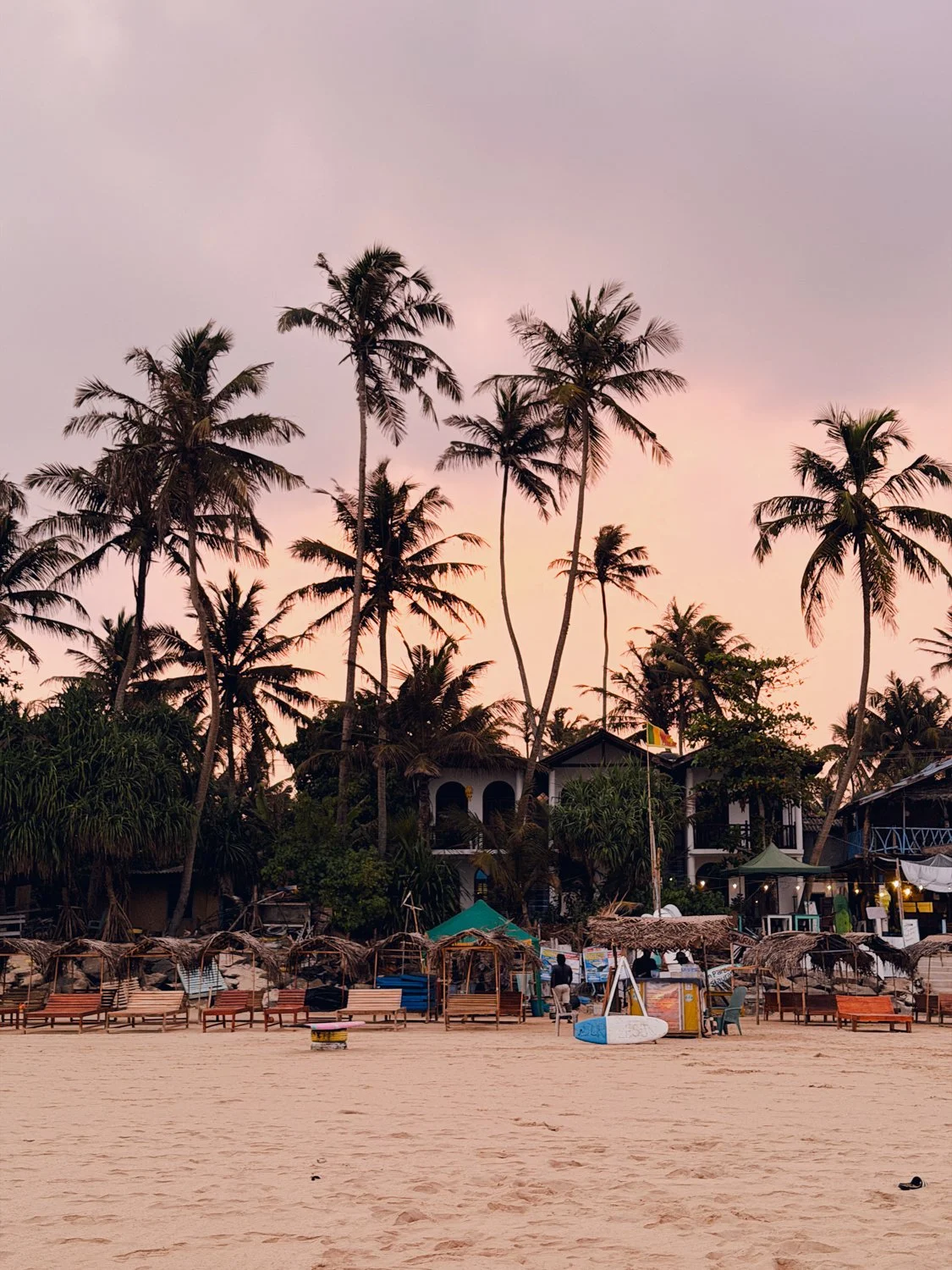
Kabalana isn't the most famous beach in Sri Lanka. You won't find it in every guidebook, and it doesn't have the party scene of Mirissa or the postcard perfection of Unawatuna. What it has is something harder to describe and impossible to fake. A feeling. Wide golden sand, tall palms leaning toward the sea, wooden sunbeds with thatched roofs, and a pace that slows you down the moment your feet touch the ground.
This is everything I've learned about Kabalana after living beside it for almost five years. Consider it a letter from a neighbour who happens to love this place very much.
WHAT KABALANA LOOKS AND FEELS LIKE
At its best, between January and April, Kabalana is a wide, long stretch of golden sand, roughly 500 metres from end to end. The palm trees are tall and slightly wind-bent, the water is clear, and there's enough space that it never feels crowded, even in peak season.
The vibe is relaxed and unpretentious. Surfers waxing their boards, families under the thatched sunbeds, a coconut vendor making his rounds. And almost every evening, this is my favourite thing: people drift down to the sand for a king coconut as the sun goes down, no plans, no schedule, just showing up because that's what the hour calls for.
There are no big resorts on the beach. It's still what a beach is supposed to feel like. And in 2026, that's rarer than you'd think.
SURFING AT KABALANA
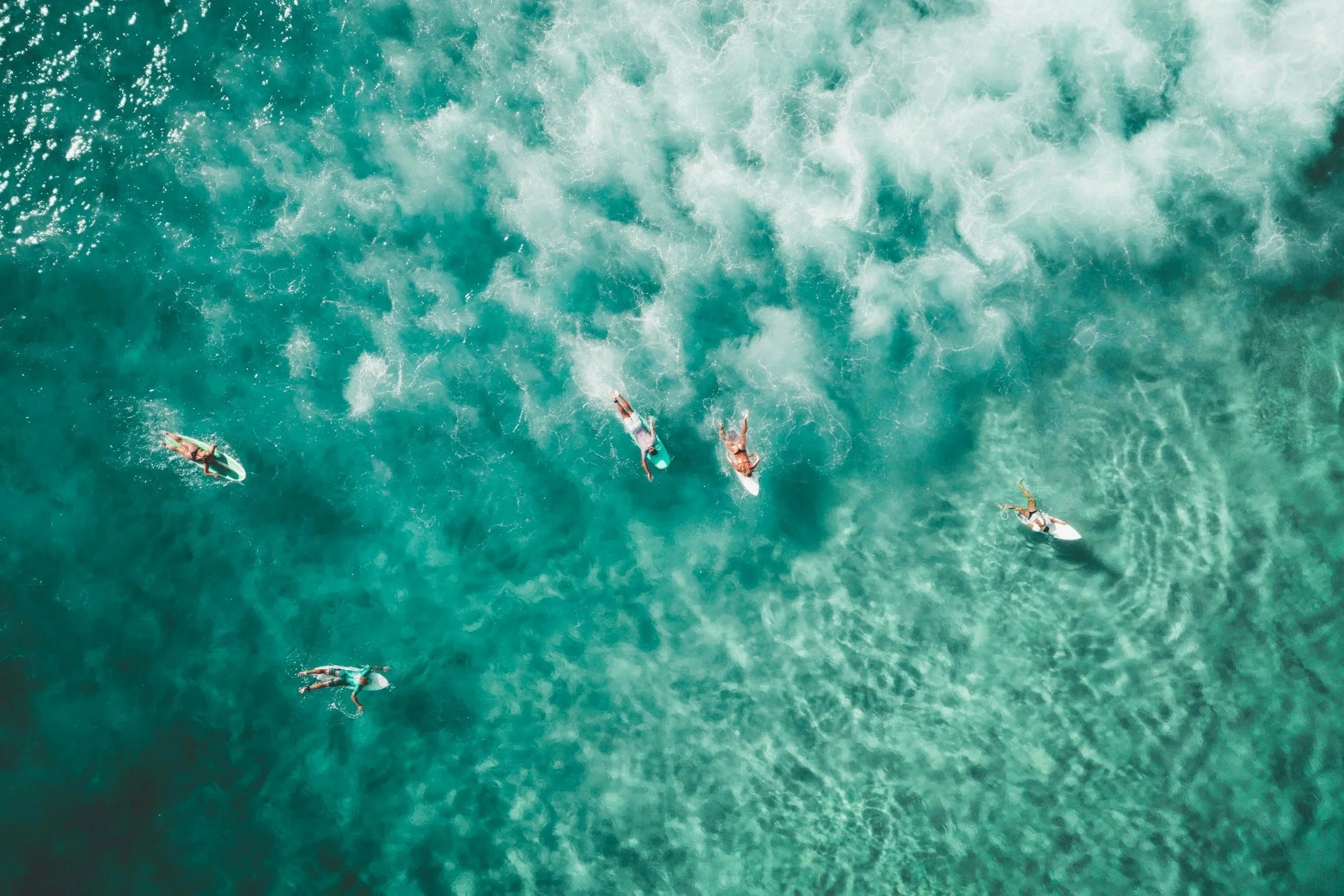
Surfing is the heartbeat of this beach, and the main reason Ahangama has been getting so much attention in recent years.
The star is The Rock, a reef break that produces what many consider the best A-frame wave in Sri Lanka. On a good day, you can ride 200 to 400 metres, with a powerful left and a fast right. It's consistent, it works even on smaller swells, and it's almost always bigger than anything else in the area. The Rock is for intermediate and advanced surfers: the reef is shallow, the wave has real push, and the paddle out requires confidence.
If you're a beginner, don't worry. You don't need to go anywhere else. The Kabalana beach break, right on the sandy shore, is one of the best places to learn on the entire south coast. No rocks under the surface, forgiving whitewater, and several surf schools operating right on the sand with board rental and lessons.
Early morning is the best time. The wind is usually offshore before 11am, which means clean, glassy conditions: the ocean looks almost polished. By midday, onshore wind picks up and The Rock tends to blow out. Late afternoon sometimes offers a second window, though it won't be as perfect as dawn. Set your alarm. It's worth it.
CAN YOU SWIM AT KABALANA?
Yes, with some awareness. The swimming area has a sandy bottom, and the shallows are generally calm enough to wade, cool off, and float around comfortably. There are currents, though, especially further out and on rougher days. Don't swim too far from shore, and during monsoon season (June to October) the sea can get genuinely strong.
There are no lifeguards, so use common sense: stay in the shallows if you're not a confident swimmer, and skip the water entirely when conditions look aggressive. If you're ever caught in a rip current, don't fight it: swim parallel to the beach until the pull weakens, then head back in.
On a calm day in high season, though, the water is warm, clear, and absolutely lovely. The kind of swim where you come out and immediately lie on the hot sand and think about nothing for twenty minutes. Which, honestly, is the whole point.
WHEN TO VISIT, AND WHEN THE BEACH DISAPPEARS
This is the part most guides don't tell you: Kabalana changes dramatically with the seasons.
December to April is the best window. The sand is wide, the sea is calm, the weather is dry, and the surf is clean. January to March is the peak: you'll get the biggest, most beautiful version of the beach.
From mid-May onward, the southwest monsoon arrives on the south coast, and in recent years it's been coming earlier than it used to. The beach starts to narrow, the waves get rougher, and by mid-monsoon the shoreline can shrink to almost nothing. The sea pushes right up to where the sunbeds were. It's not dangerous on land, but it's a completely different place.
Monsoon doesn't mean rain all day, every day. It usually means a shower in the morning, the afternoon, or the evening, sometimes a stronger storm that lasts a day or two before clearing. There are still plenty of dry, sunny stretches in between.
Around November, the sand starts returning, and by December Kabalana stretches out again into its full golden shape. If you're planning a trip, aim for high season. But if you happen to be here in the quieter months, the green, lush, unhurried version of Ahangama has its own kind of beauty: fewer people, lower prices, and that particular pleasure of having a whole coastline mostly to yourself.
SUNSET AT KABALANA
I need to be honest: I've watched hundreds of sunsets from this beach. Hundreds. They still stop me.
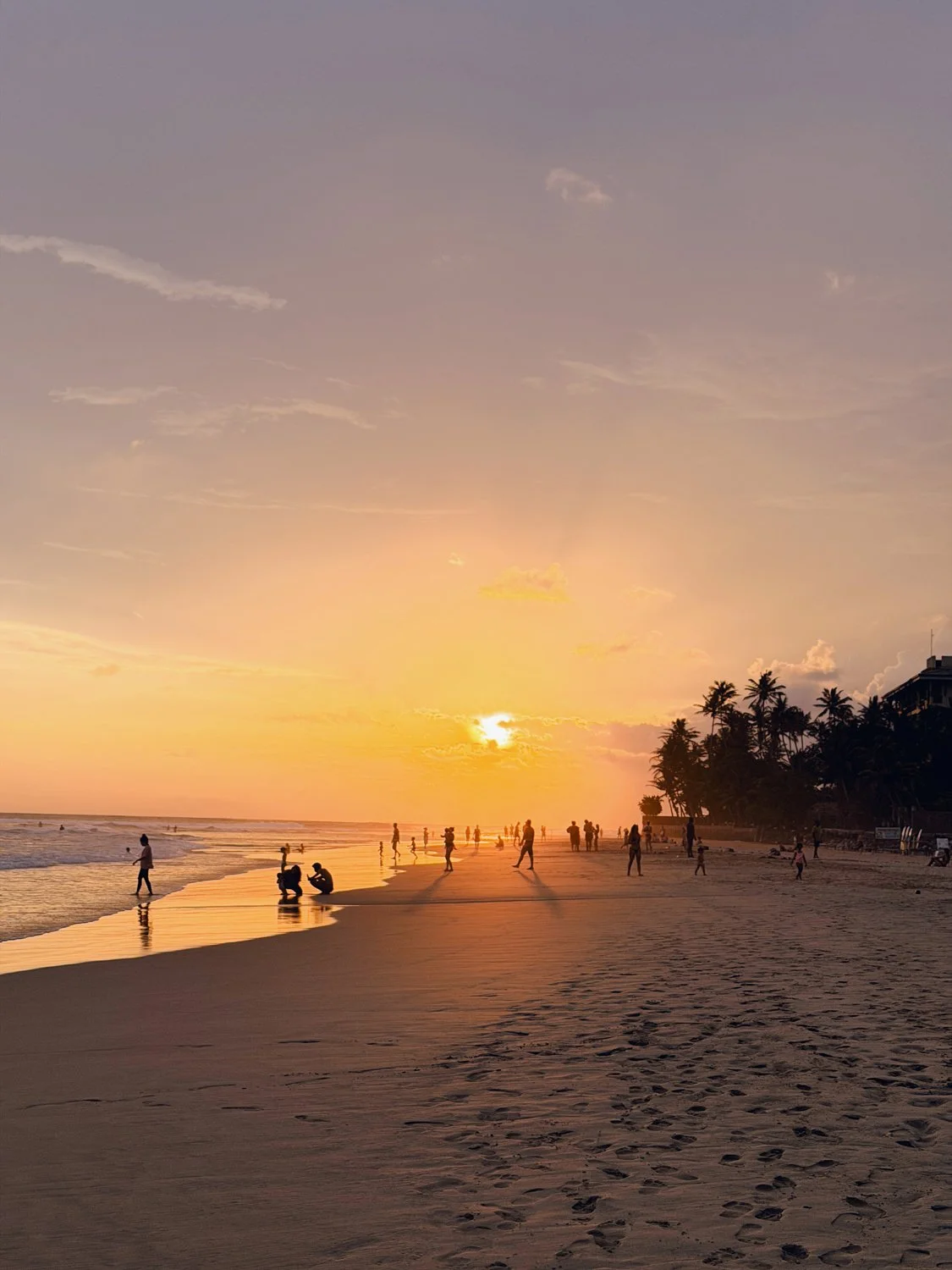
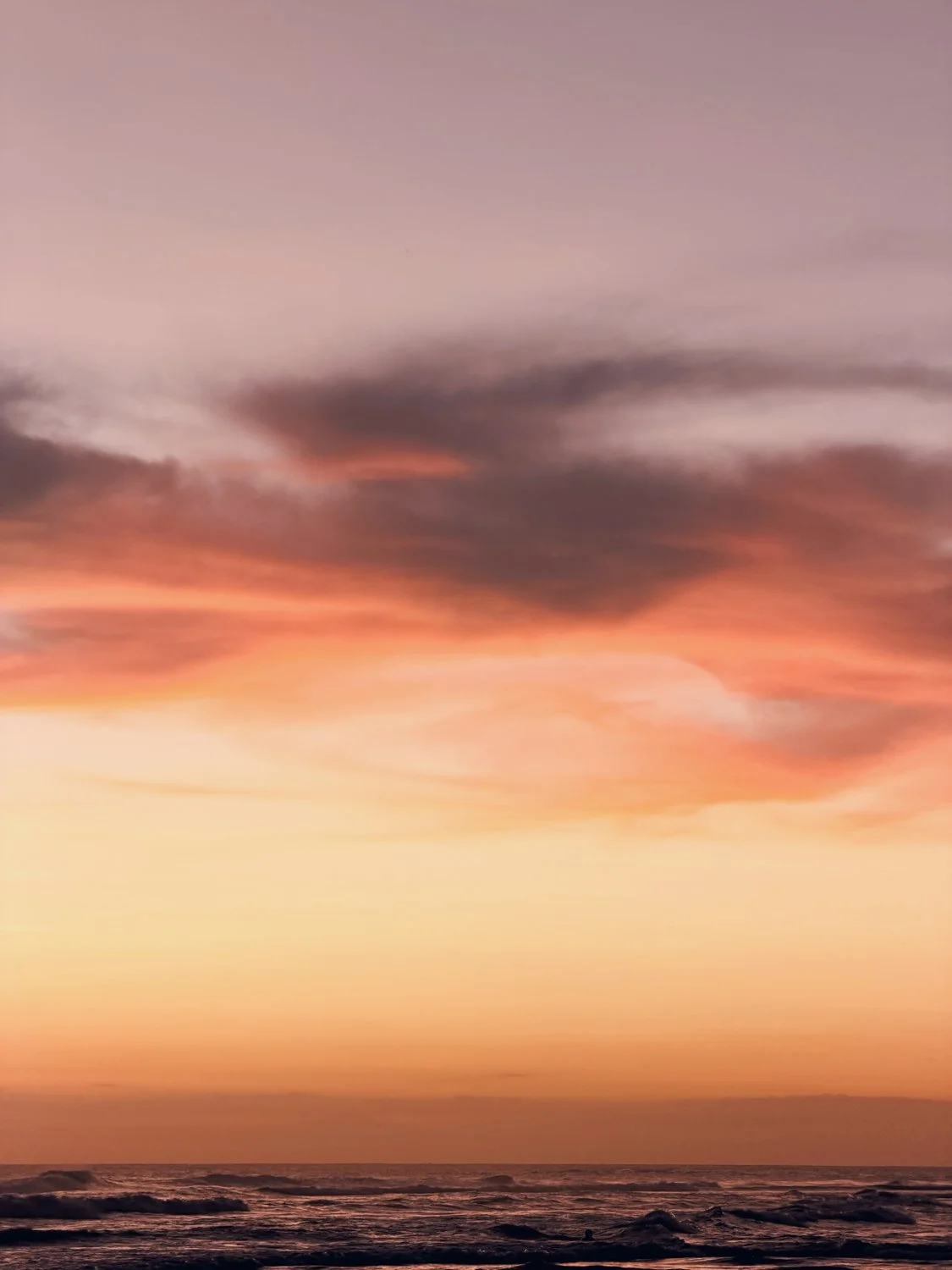
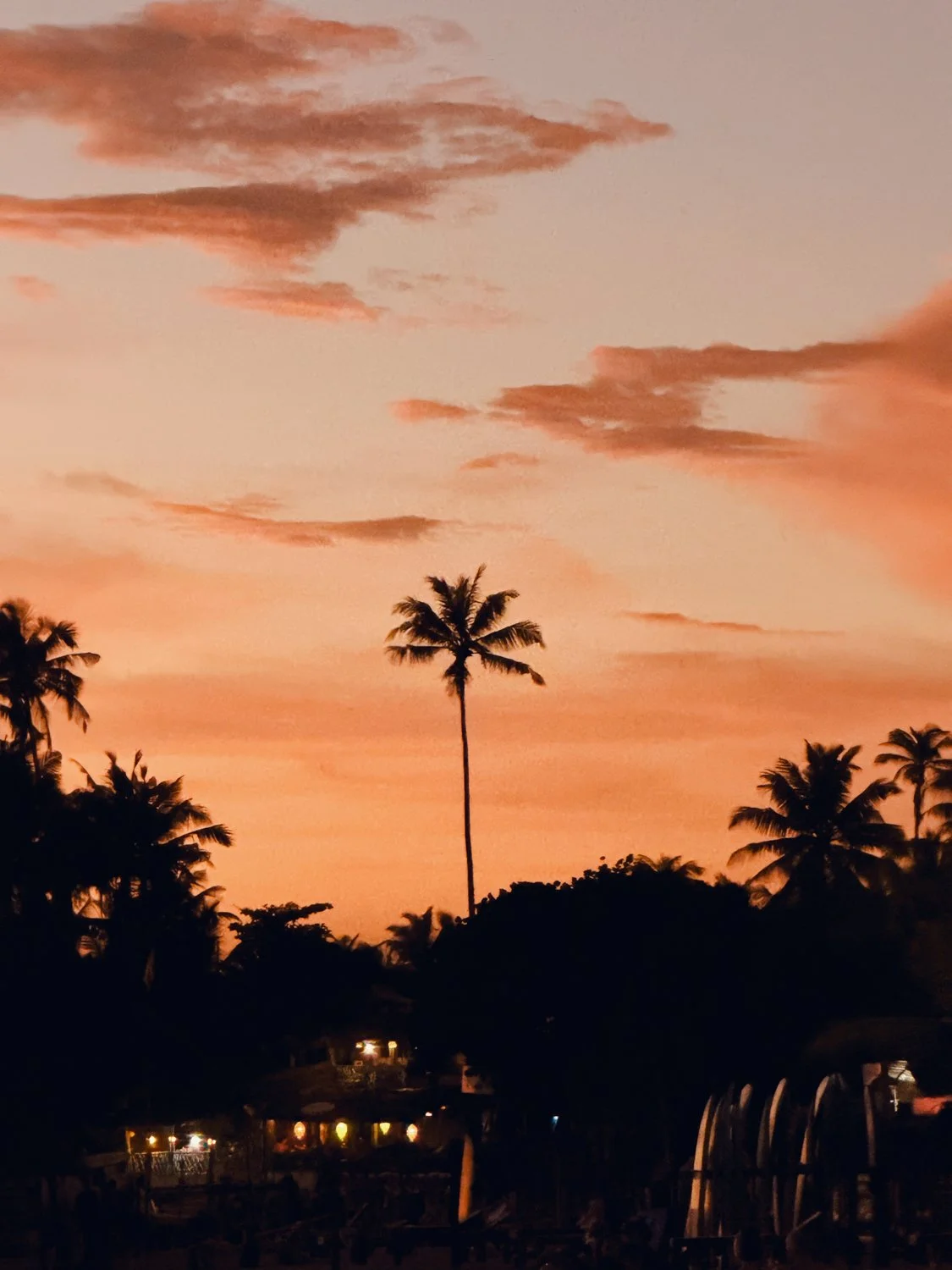
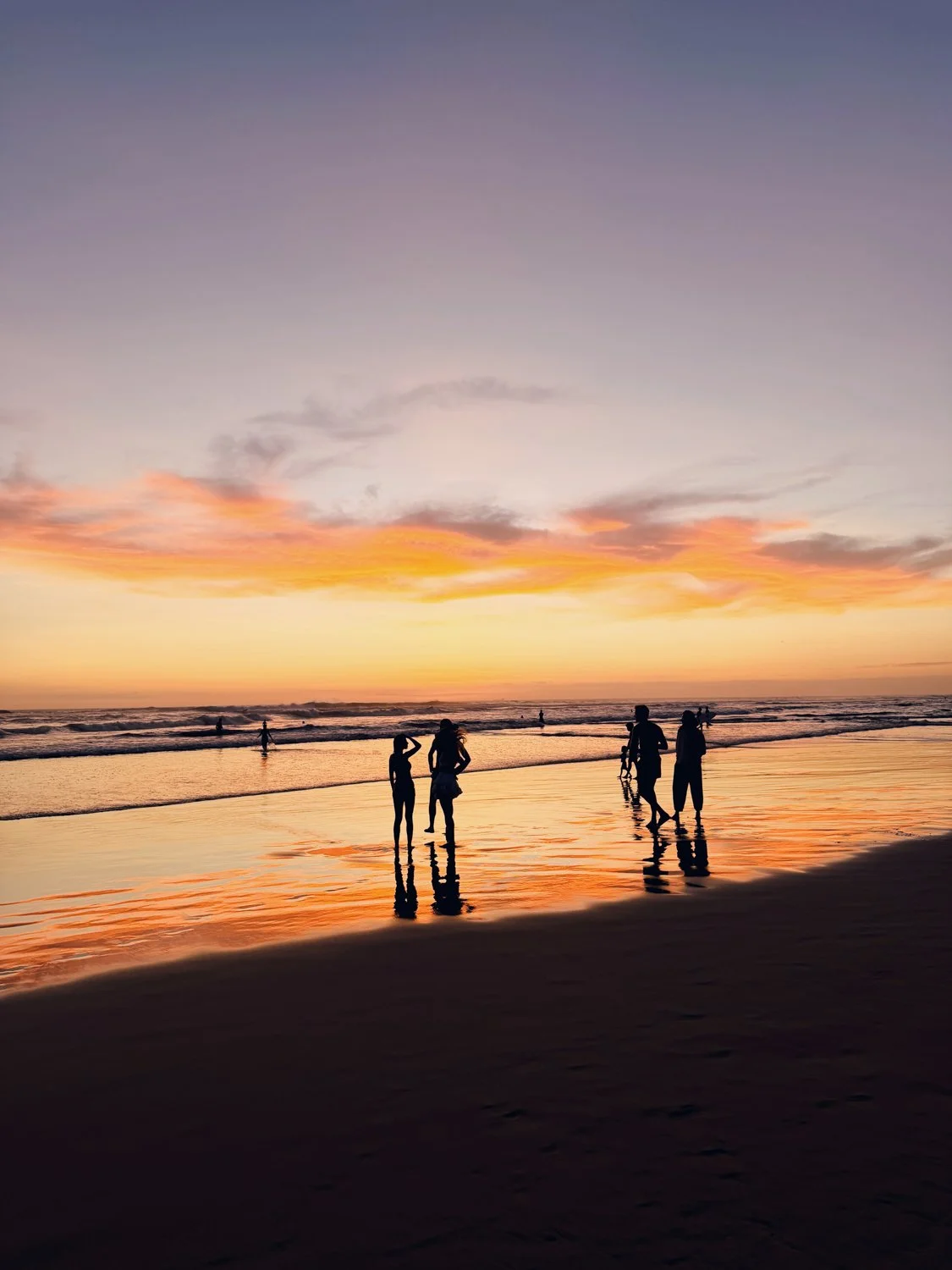
Kabalana faces west, directly over the Indian Ocean. On a clear evening the sky moves through every shade of pink, copper, and violet before the sun drops below the water line. The surfers become silhouettes. The light goes soft and golden. Everything quiets down.
My advice: get there twenty minutes before. Find a sunbed. Order a king coconut. Do absolutely nothing. There's no rush, no performance, no soundtrack. Just the sky, the sea, and the sound of small waves folding onto the sand. The Italians call it dolce far niente, the sweetness of doing nothing. This is where I learned what that actually means.
HOW TO GET TO KABALANA BEACH
If you're staying at Casa Tikiri, Kabalana is a five-minute walk: out of our gate, right, right again, straight to the sea.
From elsewhere on the south coast: Kabalana is about 25 km from Galle (40 minutes by tuk-tuk), 20 km from Mirissa (30 minutes), and just 7 km from Weligama (15 minutes). You can also take the coastal train to Ahangama station and grab a tuk-tuk from there. Five minutes, costs almost nothing. The train itself is worth the ride: it hugs the coastline and the stretch around Ahangama is one of the prettiest.
If you're renting a scooter, Kabalana is right off the main coastal road. You can't miss it.
WHAT ELSE IS NEARBY
One of the best things about Kabalana is how much is within easy reach.
Galle Fort is a stunning, walkable UNESCO World Heritage Site: cobblestone streets, small shops, sea-facing ramparts. About 40 minutes west. A perfect half-day.
Mirissa is the go-to for whale watching. Blue whale and sperm whale sightings are common between November and April. About 30 minutes east.
Koggala Lake offers peaceful boat rides through mangroves and small islands, including the Cinnamon Island where you can watch cinnamon being peeled by hand. Ten minutes from Kabalana.
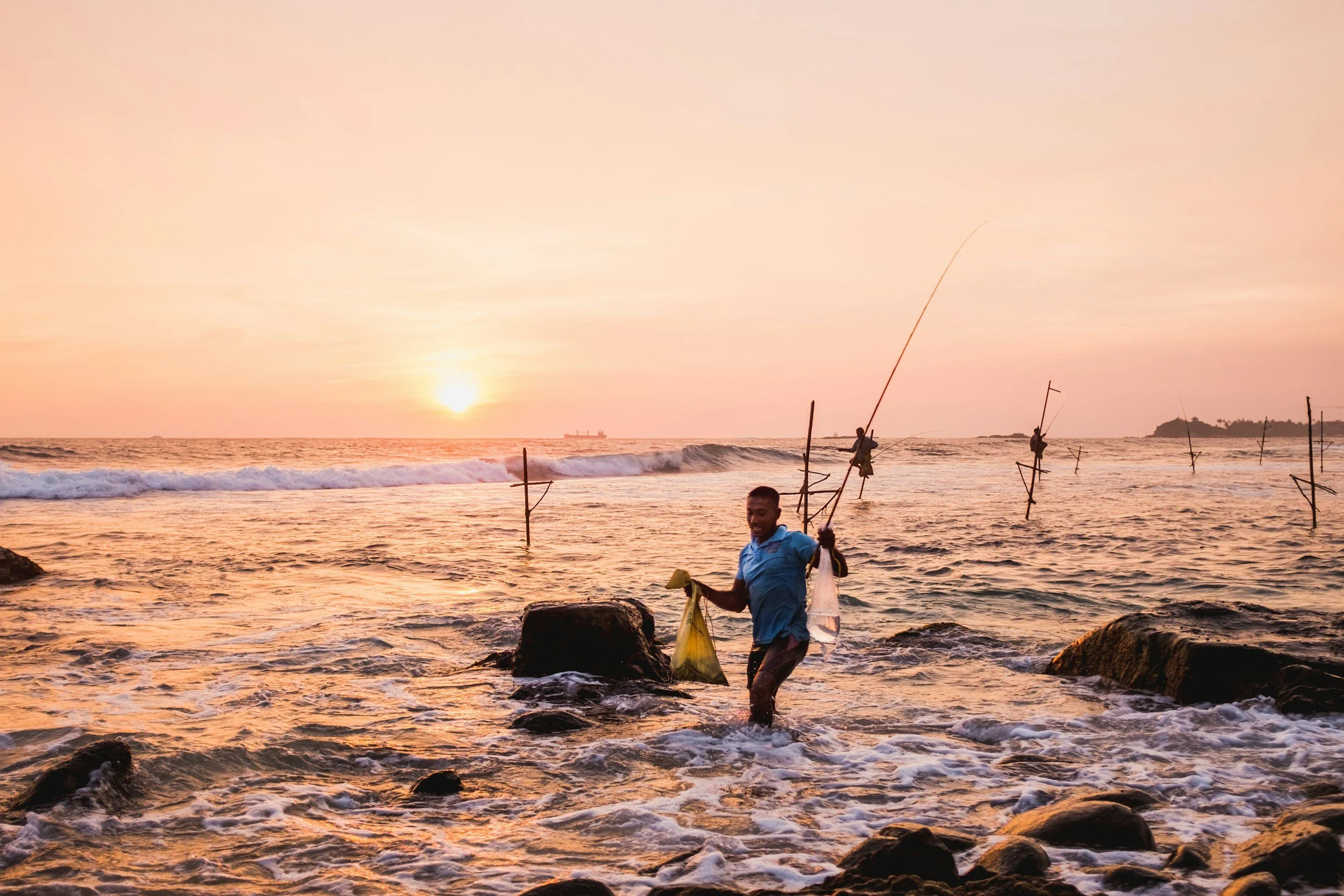
The stilt fishermen, probably the most iconic image of Sri Lanka. A word of honesty here: the men you'll see posing for tour buses along the main road near Koggala are usually paid performers, set up for photos rather than fishing. The real ones still exist, working quietly at dawn or dusk, and you're far more likely to spot them in low season, away from the groups, when the coast empties out. Worth the extra effort to find.
Weligama has a wide, gentle bay. The most popular spot on the coast for beginner surf lessons. If Kabalana's waves feel too much, it's a 15-minute ride away.
And then there's Midigama, Unawatuna, Hiriketiya, all within 30 to 45 minutes, each with its own character. A week here and you could explore a different beach every day.
WHY WE CHOSE TO LIVE HERE
People ask why we didn't pick Mirissa, or Unawatuna, or somewhere more established. The honest answer is that Kabalana didn't try to convince us. It just was what it was: beautiful, unhurried, real. A stretch of coast where the days are shaped by the light and the tide, and nobody is trying too hard.
That's exactly what we wanted Casa Tikiri to feel like. The fact that it's a five-minute walk from our front door is just the universe being kind.
WHAT PEOPLE USUALLY ASK
-
Kabalana Beach is in Ahangama, on the south coast of Sri Lanka. It sits roughly 25 km east of Galle, 7 km from Weligama, and 20 km from Mirissa — close enough to everything, far enough to feel like its own world.
-
Yes. The main draw is The Rock, a reef break widely considered one of the best A-frame waves in Sri Lanka. On a good day you can ride 200 to 400 metres, with a powerful left and a fast right. It's consistent, works on smaller swells, and is almost always bigger than anything else in the area. Best conditions: early morning, before 11am, when the wind is offshore and the water is glassy.
-
Very much so. The beach break right on the sandy shore is one of the best spots to learn on the entire south coast: no rocks underfoot, forgiving whitewater, and several surf schools operating directly on the sand with boards and lessons. The Rock is for intermediate and advanced surfers only. Beginners have their own stretch, and it's a good one.
-
Yes, with some awareness. The swimming area has a sandy bottom and calm shallows — perfect for wading, cooling off, and floating. There are currents further out and during monsoon season (June to October) the sea can get genuinely strong. There are no lifeguards, so use common sense: stay in the shallows if you're not a confident swimmer, and skip it entirely when conditions look rough.
-
December to April is the best window, with January to March at its peak. The sand is wide, the sea is calm, and the surf is clean. From mid-May onward the southwest monsoon narrows the beach and roughens the water. The beach returns to its full shape around November. If you visit in low season, you'll find fewer people and a wilder coastline — just a different kind of beautiful.
-
From Galle, about 40 minutes by tuk-tuk. From Mirissa, around 30 minutes. From Weligama, 15 minutes. You can also take the coastal train to Ahangama station and catch a tuk-tuk from there — five minutes, costs almost nothing, and the train ride itself is worth it for the ocean views. If you're on a scooter, Kabalana is right off the main coastal road. If you're staying at Casa Tikiri, it's a five-minute walk from our front gate.
-
Quite a lot. Galle Fort, a UNESCO World Heritage Site with cobblestone streets and sea-facing ramparts, is 40 minutes west. Mirissa is the go-to for whale watching (blue and sperm whales, November to April), about 30 minutes east. Koggala Lake offers peaceful boat rides through mangroves and a stop at Cinnamon Island. Weligama, 15 minutes away, has a wide bay ideal for beginners. And Hiriketiya, Midigama, and Unawatuna are all within 30 to 45 minutes — each with its own character.